
Exploring the historical evolution of casinos through the ages
The Origins of Gambling and Early Casinos
The history of gambling dates back thousands of years, with evidence suggesting that forms of betting existed in ancient civilizations like Mesopotamia and Egypt. Archaeological findings, including dice made from animal bones, indicate that early humans engaged in games of chance long before structured casinos emerged. These early forms of gambling were often tied to religious rituals and social gatherings, reflecting humanity’s innate desire for entertainment and the thrill of risk. Today, with platforms like casino zoccer, players can enjoy many of these games online.

As societies evolved, gambling became more organized. The Chinese are credited with developing some of the first known gambling games, including a lottery-like game dating back to around 200 BC. Similarly, in ancient Rome, betting on gladiatorial contests and chariot races was commonplace, laying the groundwork for structured gaming establishments. These early gambling activities not only provided entertainment but also became a source of revenue for governments, as taxes were often imposed on winnings.
The term “casino” itself derives from the Italian word “casa,” meaning “house.” By the 17th century, small gambling houses began to appear in Italy, where aristocrats would gather to play games like baccarat and faro. These venues marked the transition from informal betting to organized gambling establishments, setting the stage for the development of modern casinos. The popularity of these early casinos grew, leading to their expansion throughout Europe, especially in places like Venice, where the first official casino, the Ridotto, opened in 1638.
The Rise of Land-Based Casinos in Europe
The 18th century marked a significant era in the history of casinos, particularly with the emergence of land-based establishments across Europe. Cities like Monte Carlo and Baden-Baden became synonymous with high-stakes gambling, attracting wealthy patrons eager to try their luck. The establishment of the Casino de Monte-Carlo in 1863 not only solidified Monaco’s status as a gambling hotspot but also influenced the design and operation of casinos worldwide, emphasizing luxury and entertainment.
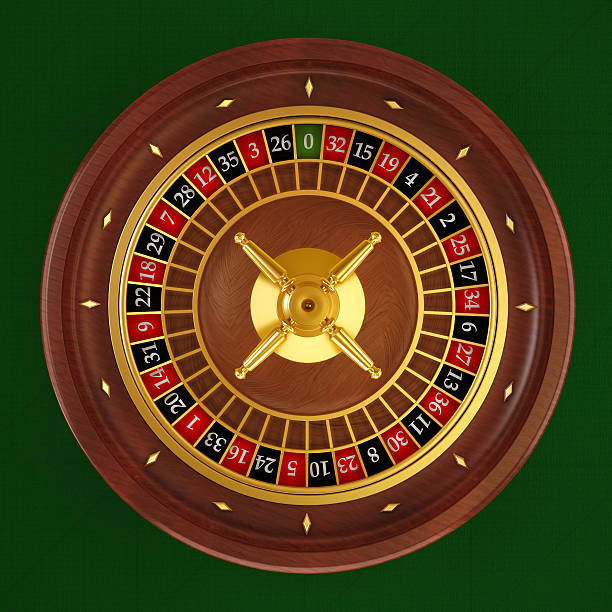
During this period, a variety of new games gained popularity, such as roulette, which quickly became a staple in casinos. The allure of roulette, with its spinning wheel and iconic bets, drew in crowds and created a sense of excitement. Land-based casinos began to incorporate elaborate architecture and lavish interiors, making them destinations for more than just gambling; they became symbols of opulence and social status.
As gambling became more popular, laws and regulations began to shape the industry. Various countries introduced gaming legislation to control the burgeoning casino scene, ensuring fair play and responsible gambling. This evolution also led to the establishment of regulatory bodies to oversee operations, further legitimizing the industry. The combination of lavish settings, entertainment options, and legal frameworks solidified the role of land-based casinos in European culture.
The Evolution of Casinos in the United States
The landscape of gambling shifted dramatically in the United States during the 19th century, particularly with the Gold Rush and the founding of Las Vegas. Initially, gaming was prevalent in saloons and frontier towns, where card games like poker and blackjack flourished. The rise of gambling in these informal settings laid the foundation for the development of more structured casinos in the years to come.
Las Vegas emerged as a gambling hub in the mid-20th century, largely due to the legalization of casino gambling in Nevada in 1931. The introduction of iconic venues like the Flamingo in 1946 and later the lavish casinos on the Strip transformed Las Vegas into a global entertainment capital. These establishments offered not just gaming but also luxurious accommodations, fine dining, and spectacular shows, redefining the concept of a casino experience.
As the industry grew, so did the influence of organized crime, particularly during the 1950s and 60s. Mobsters played a significant role in the operation of several Las Vegas casinos, leading to increased scrutiny and calls for reform. This prompted a wave of changes in regulations and ownership structures, ultimately paving the way for legitimate corporate investment in the casino business. By the late 20th century, casinos began to proliferate across the U.S., with states like Atlantic City and Mississippi adopting their own gaming laws.
The Digital Revolution: Online Casinos
The late 20th and early 21st centuries witnessed a seismic shift in the casino industry with the advent of the internet. The first online casinos appeared in the mid-1990s, allowing players to enjoy their favorite games from the comfort of their homes. This revolution opened up the gambling world to a wider audience, breaking geographical barriers and creating a new realm of possibilities for casino gaming.
Online casinos quickly adapted traditional games like blackjack, poker, and slots into digital formats, complete with user-friendly interfaces and immersive graphics. Innovations such as live dealer games bridged the gap between online and land-based experiences, providing players with real-time interactions and authentic gaming atmospheres. This hybrid approach has become increasingly popular, attracting players who seek the convenience of online gaming combined with the excitement of traditional casinos.
The rise of mobile technology further accelerated the growth of online casinos. Players can now access their favorite games on smartphones and tablets, making gaming more accessible than ever. With the introduction of cryptocurrencies for transactions, many online casinos offer enhanced security and anonymity, appealing to tech-savvy gamblers. As online gaming continues to evolve, it represents a significant segment of the global gambling industry, fundamentally changing the way people engage with casinos.
Experience Casino Gaming at Zoccer Casino
In the contemporary landscape of gaming, Zoccer Casino stands out as a vibrant online platform tailored specifically for Canadian players. Launched recently, it offers a vast array of casino games, including video slots, classic table games, and live dealer options, ensuring that every type of player finds something appealing. With user-friendly navigation and an inviting interface, Zoccer Casino provides an engaging gaming experience that keeps players coming back.
What sets Zoccer Casino apart is its commitment to player satisfaction through enticing promotions and bonuses. New players can take advantage of a generous welcome package that includes both a deposit match and free spins, enhancing the overall gaming experience. The inclusion of both traditional and crypto payment methods ensures that players have flexible options to manage their funds securely.
As the online gaming industry continues to flourish, platforms like Zoccer Casino reflect the ongoing evolution of casinos, combining traditional gaming elements with modern technology. With its extensive game library and robust customer support, Zoccer Casino is positioned to become a leading destination for gaming enthusiasts seeking a fresh and exhilarating online experience.